Why Creativity Is Now a Strategic Asset for Organizational Growth

In a rapidly changing world, creativity is no longer limited to marketing or product teams; it’s a leadership discipline. At its core, creativity rethinks organizational design, empowers people, and shapes culture.

Business design shifts how companies grow, focusing on empathy, collaboration, and inspired environments. Japan, traditionally conservative, leads this transformation, blending design thinking, wellness, and organizational innovation into impactful strategies.

Explore how creativity becomes a competitive advantage in modern Japanese corporations and how executives worldwide can learn from this.

1. Creativity as a Catalyst for Deep Engagement

Innovation workshops often follow predictable formulas, but breakthrough ideas come from emotional spark, intuitive flow, and intentional design.

Toyota’s Creative Management approach fuses art, design, and logical analysis into a new model for team development. Teams engage in improvisational workshops that prioritize intuition, speed, and emotional engagement, especially in new business development and regional revitalization.

This results in more innovative, connected, resilient, and fulfilled teams. Creativity here is operational, not ornamental.

2. Leadership Through Environment: Designing for Empowerment

High-performing leaders understand that talent development occurs in context.


Pasona and HIPUS created a compelling women’s leadership retreat.
Unlike traditional seminars, this residential experience fosters honest dialogue, mutual support, and the discovery of real-world role models.


Designed as a micro-community, it accelerates confidence, self-leadership, and systemic inclusion.

3. Culture as Competitive Infrastructure

When culture is intentionally designed, it fosters wellness, loyalty, and lasting differentiation.


Nichirei Corporation
exemplifies this principle.

After experiencing a rise in employee health issues post-corporate restructuring, Nichirei reimagined employee well-being as a core organizational system.


They implemented a health management framework supported by regional public health nurses and occupational physicians, with structured communication lines across all offices.

The results went beyond compliance—they reshaped workplace culture itself, making well-being not just a policy, but a shared language of care and accountability.

4. Building Flow-Driven Organizations: Marui Group’s Human-Centered Innovation

Marui Group designs work to spark joy, focus, and flow, unlocking human potential.


They focus on “flow experiences,” states of deep engagement where people are fully immersed in meaningful work.

  • Removed middle management layers
  • Introduced personalized one-on-one coaching
  • Overhauled evaluation systems to reward talent beyond age or seniority


As of mid-2024, 47% of employees reported regularly entering a flow state—surpassing their 45% target.

More than a productivity metric, this represents a shift in organizational DNA—from hierarchy to human-centric performance.

Design Is the New Strategy

Each of these examples demonstrates that design is the architecture of how people work, lead, and grow.

For executives, the challenge is how to embed it into every layer of business: from team structure to training environments, from health systems to evaluation models.

In this new era, competitive advantage is designed.

Advises

To integrate creativity into organizational development, start with three strategic questions.

  1. How does our workplace affect how people think, feel, and work together? 
  2. Is our culture stopping people from doing their best without us noticing? 
  3. What can we change to help people feel safe, take initiative, and share new ideas?

The answers won’t come from frameworks alone. They’ll come from rethinking your company as a living system, where creativity is a discipline.

07/12/2025
Business × Design

Business by Design -cases from Japan-

Why Creativity Is Now a Strategic Asset for Organizational Growth In a rapidly changing world, creativity is no longer limited to marketing or product teams; it’s a leadership discipline. At its core, creativity rethinks organizational design, empowers people, and shapes culture. Business design shifts how companies grow, focusing on empathy, […]
read more

Denmark — a sacred ground for interior design.

Copenhagen, the epicenter of Scandinavian design, hosted its annual global design festival, 3daysofdesign, across eight districts of the city.

With the 2025 theme “KEEP IT REAL”, the event spotlighted authenticity, sustainability, and the return of narrative-driven, high-quality design.

I spent three days exploring and analyzing key exhibitions and trends.

What is 3daysofdesign?

Now recognized as one of the world’s leading interior design events, 3daysofdesign is more than a trade fair—it’s a citywide dialogue about where design is headed. With themes like sustainability, craftsmanship, and community, the 2025 edition reaffirmed a shift in global design: away from mass trends and toward personal stories, long-lasting quality, and maker identity.

Why does Danish design matter for Japan?

Danish interior design has become a powerful reference point for Japanese audiences with a strong sense of aesthetic sensitivity.
Unlike Milan or Paris, Copenhagen offers a restrained, spiritual aesthetic that resonates deeply with Japan’s own traditions. I visited not only to observe but to identify seeds of collaboration: a fusion of Japanese artisanal heritage with Nordic innovation, producing hybrid design narratives for a global audience.

East Meets North: Fusion in Material & Spirit

Søuld

 A pioneer in reusing seaweed to produce carbon-negative wall materials and bio-based interior products. The brand embodies how innovation and sustainability can harmonize with elegant design.

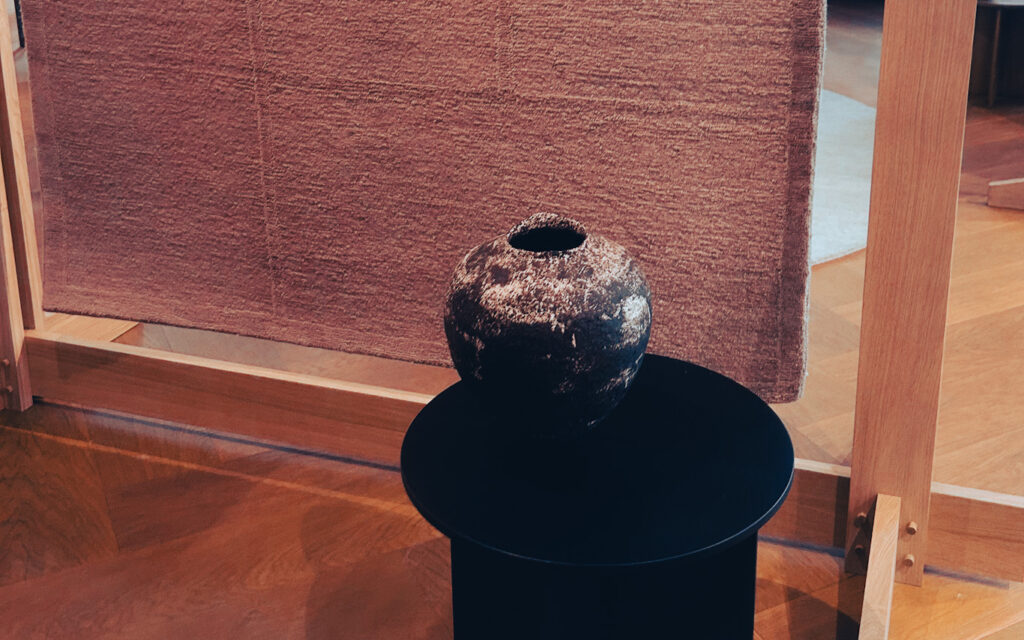
The wall décor at the back is Søuld’s signature piece, made from recycled seaweed.

Motarasu

A design studio deeply inspired by Japanese aesthetics—subtle, quiet, tactile. Their works reflect Japanese sensibility fused with Danish pursuit of function, especially through designer Lars Vejen’s pieces influenced by washi, pottery, and traditional lamps.

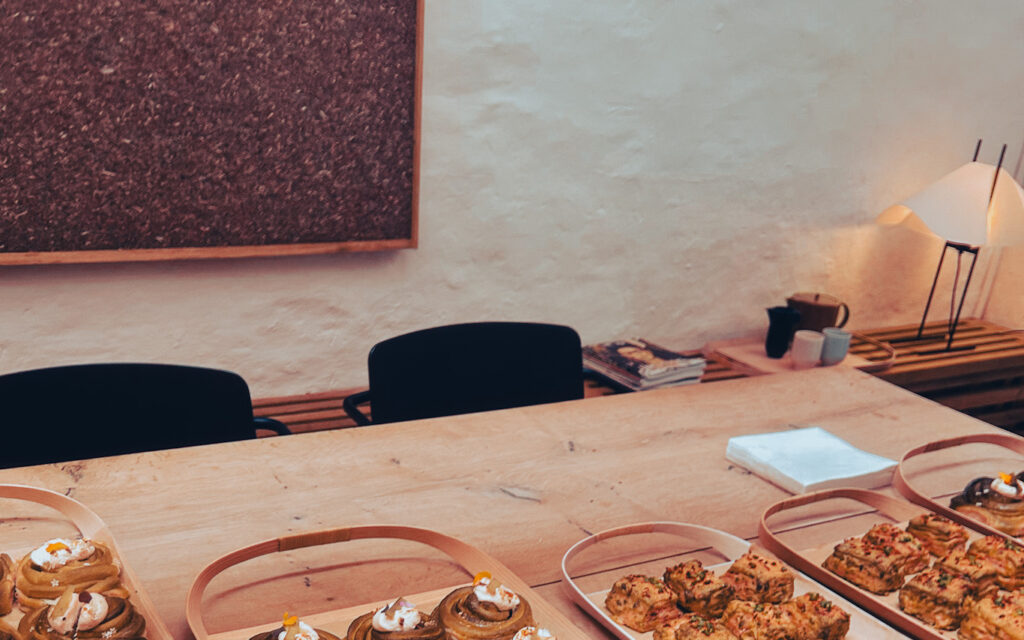
The table and chairs used at the Black Feast event were designed by MOTARASU.

KARIMOKU CASE x Linie Design

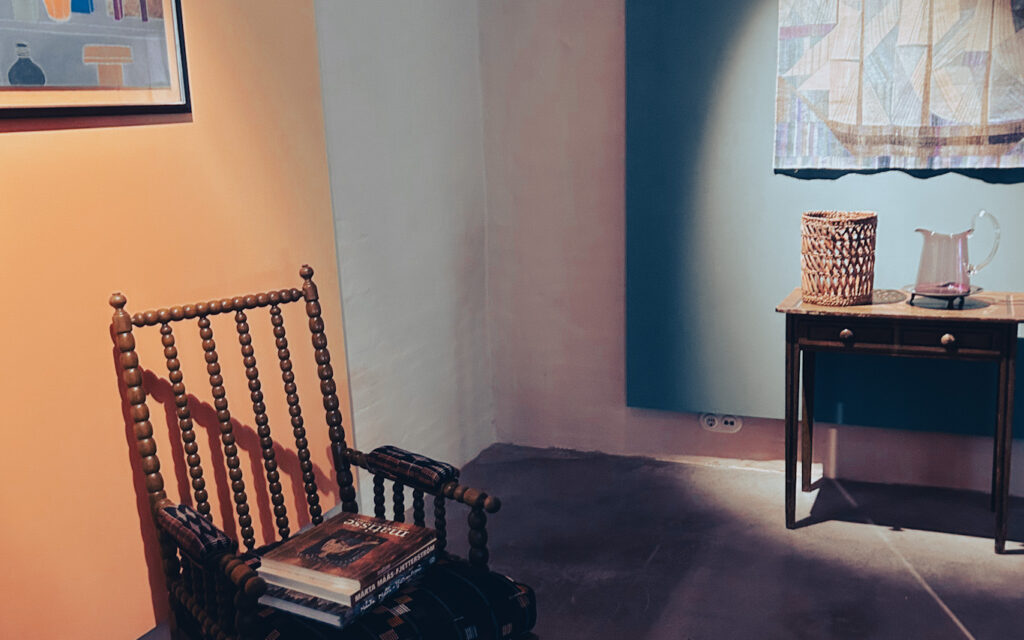
Karimoku presented a space reminiscent of “wabi-sabi” using ceramics, linen, and wood. Draped hemp textiles recalled both kimono culture and Nordic landscapes.

The theme was *Echoes of Texture* — a perfect reflection of Japanese textiles and the spirit of *wabi-sabi*.

Vivid, Retro, and Refined: Playful Color & Character

St. Leo

Launching its Lime Paint and Bio Paint collections, St. Leo blends craft, architecture, and eco-conscious pigments into a seamless brand experience.

By blending color into everyday scenes, the installation showcased the potential of sustainable paints.

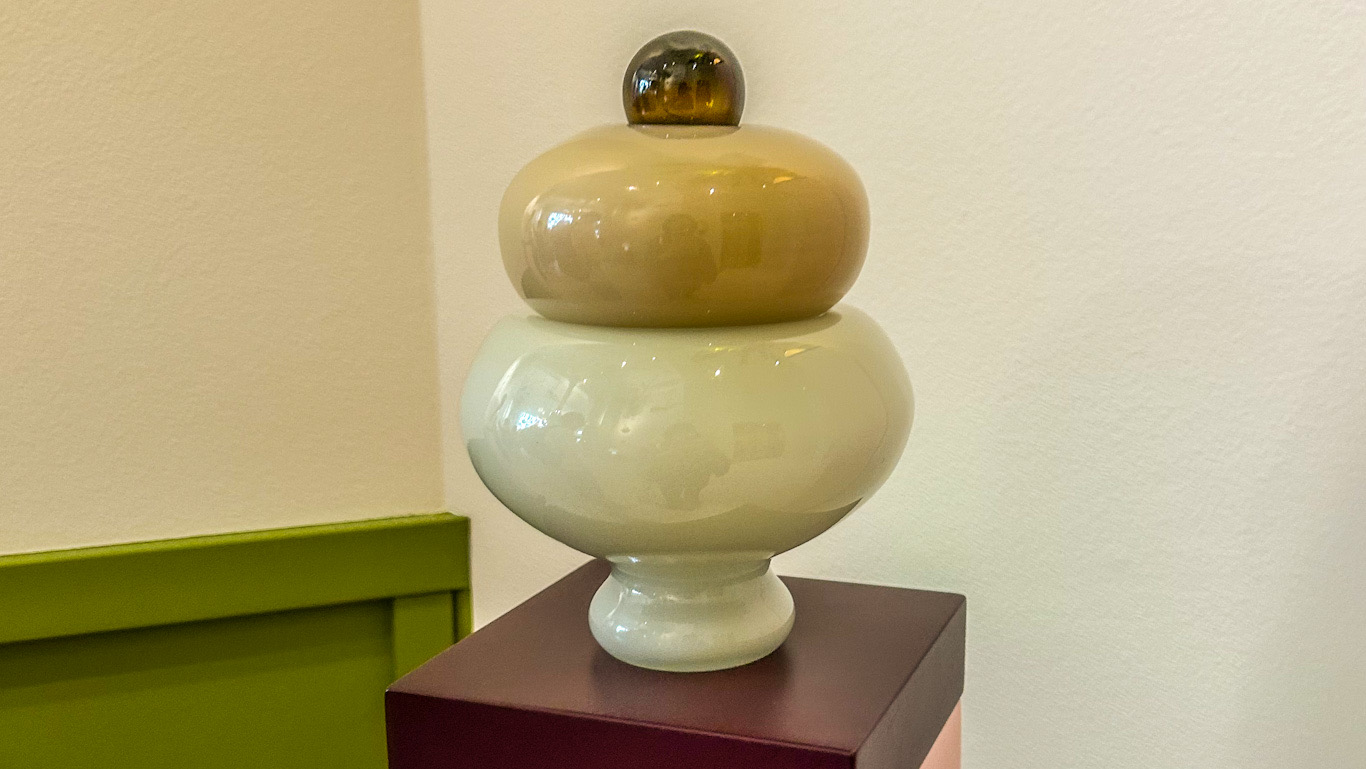
Helle Mardahl

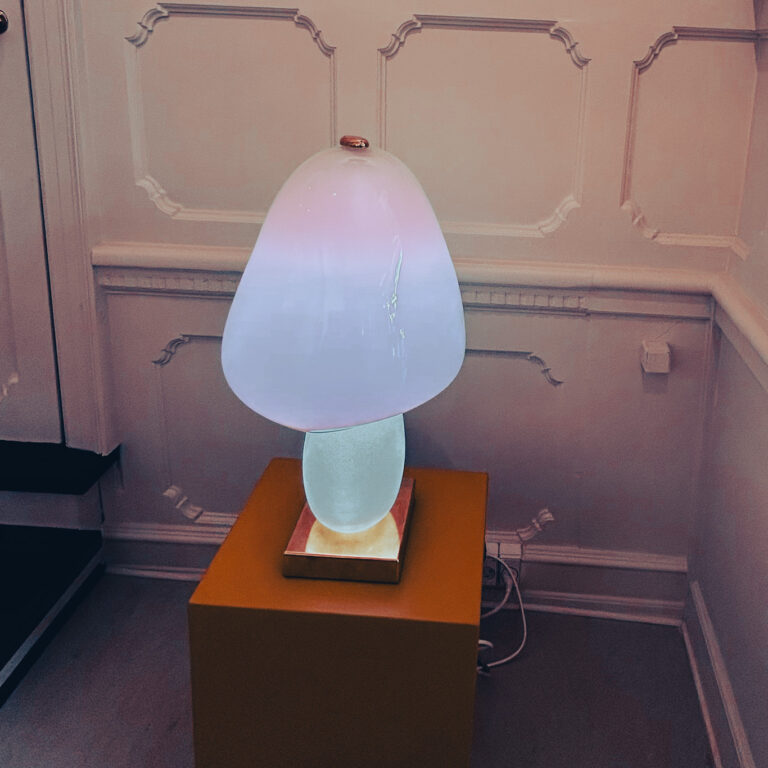
 Known for her pastel glass art, Helle revisited the origins of her practice, reflecting on craftsmanship, playfulness, and a unique aesthetic that strongly resonates with Japanese “kawaii” culture.

Heil Mardahl is also an artist himself, known for his signature use of pastel colors and soft, rounded silhouettes.

Occhio

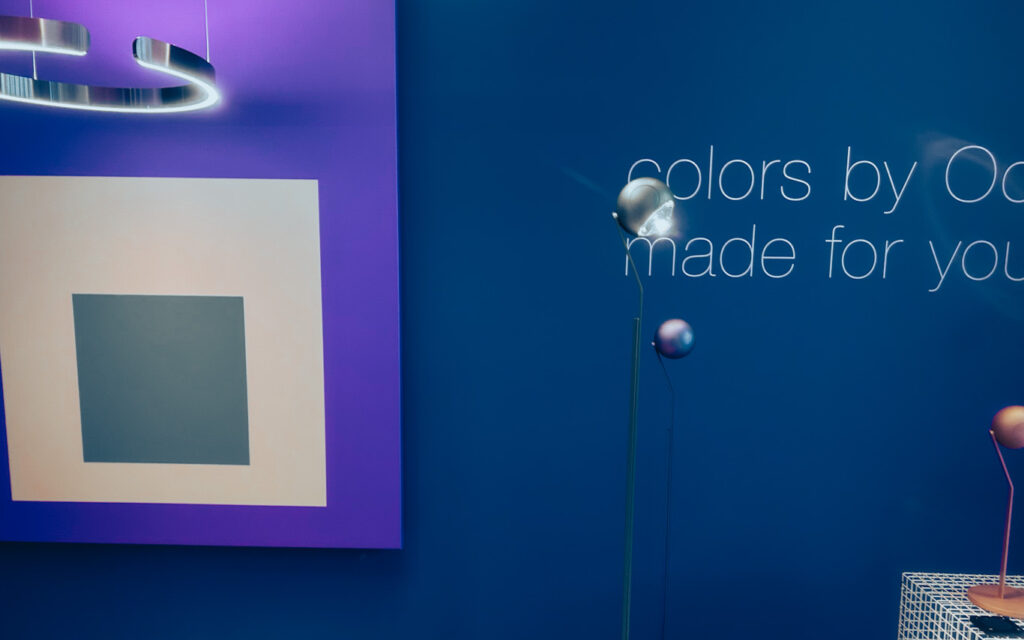
This German lighting brand explored how bold colors and advanced lighting technology interact with Nordic interiors, creating personalized environments through light and hue.

A scene that not only highlights the relationship between color and lighting, but also shows how it seamlessly blends into Copenhagen’s uniquely colorful landscape.

Refined Lighting & Italian-Danish Synergy

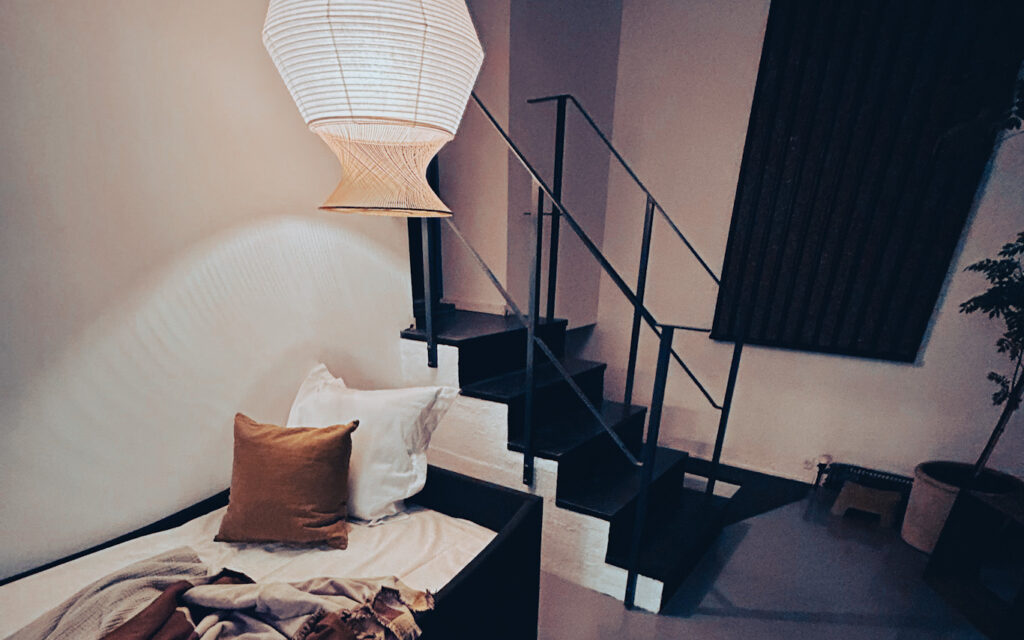
astep

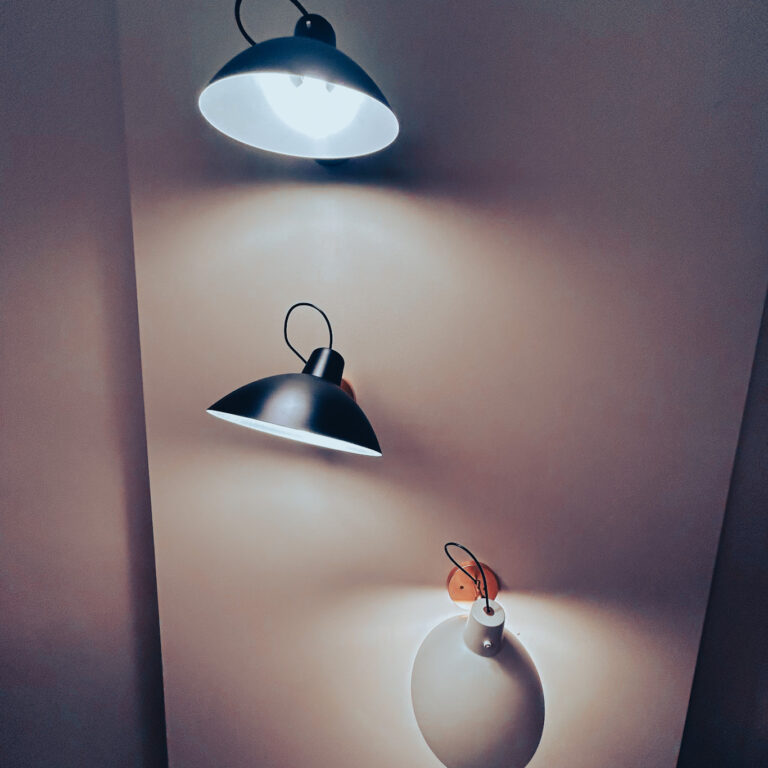
Founded by Alessandro Sarfatti, Astep demonstrated the fusion of minimalist Danish taste and Italian reverence for harmony and beauty. Their lighting design stood as a quiet, intellectual statement of craftsmanship and innovation.

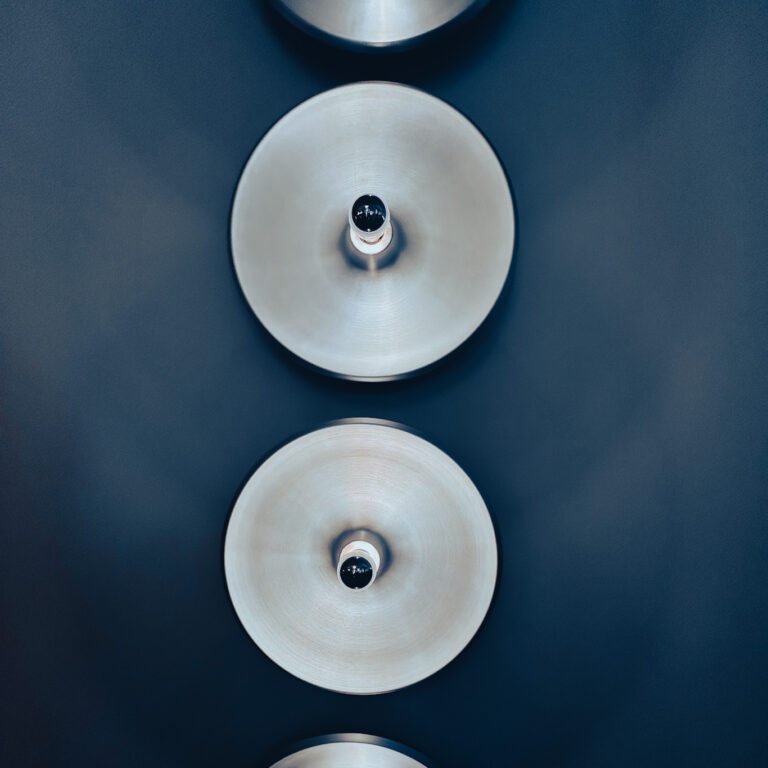
This piece brings a touch of Italian aesthetics into Denmark’s distinctively minimal world.
A brand that reveals a glimpse of originality, even within modernity.

The Poster Club

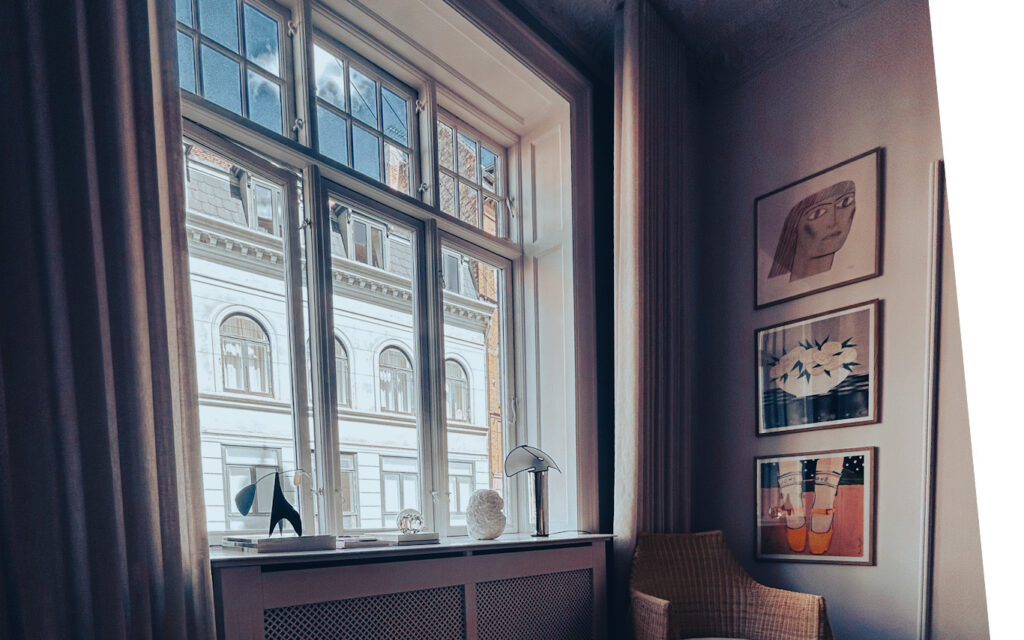
 A curated art platform based in Copenhagen offering global artists’ prints. By presenting artworks in a classical apartment setting, it bridged contemporary design with historical Nordic interiors, emphasizing how accessible art can enhance everyday life.

How does contemporary art express its presence within a classic Copenhagen apartment?

Key Takeaways: Brand Philosophy Over Product Features

Design is Storytelling

At 3daysofdesign, we found that the most loved brands are not those with the most features—but those with the clearest stories, values, and emotional resonance.

Branding is Belief

Sustainability as a function is not enough. Brands must embed emotional honesty, design intent, and artisanal respect. This creates deep consumer loyalty and cultural relevance.

Creating Resonance, Not Just Products

At its best, design is a bridge—between generations, geographies, and philosophies. Brands that balance tradition with innovation, and ethics with aesthetics, will define the creative industries of tomorrow.

Kool Kage continues to explore and build such bridges. For those seeking to co-create across borders, we welcome the conversation.

07/05/2025
Culture & Craft

the Future of Interior and Craft at 3daysofdesign Copenhagen

Denmark — a sacred ground for interior design. Copenhagen, the epicenter of Scandinavian design, hosted its annual global design festival, 3daysofdesign, across eight districts of the city. With the 2025 theme “KEEP IT REAL”, the event spotlighted authenticity, sustainability, and the return of narrative-driven, high-quality design. I spent three days […]
read more

Categories

  • Business × Design
  • Business in Japan
  • Culture & Craft
  • Playbook
  • イベント
  • コミュニケーション
  • デザイン
  • デンマーク
  • ビジネス×デザイン
  • プロダクトデザイン
  • ヨーロッパ
  • 組織デザイン
  • 組織開発

search

Recent Posts

    tags

    3daysofdesign2025 Cultural business Denmark Japan Japanese Traditional Art Crafts Marketing Market insights MVV Organizational development Partnership Product design インテリアデザイン デザイン経営 デンマーク レポート 伝統工芸 国内事例 海外事例 組織開発
    my email

    hello@koolkage.com